
& Israeli Food History
For Lemon Cake recipe click here
How are you doing? How are you holding up? Yes, I know the answer is ‘OK’ because, frankly, what else can we say? Physically, we are here; emotionally, we are broken. As we enter the third week of this war, the world has moved on, but we remain, hearts broken. Over 200 of our brothers and sisters remain hostages in Gaza. The world condemns us for defending ourselves, and every Jew feels like they have a target on their back.
That said, I have never been prouder to be a Jew, to see how we come together when we are at our lowest. This past weekend, there were pro-Palestine and pro-Israel rallies here in the center of London. What always strikes me, and I’m guessing you as well, is that while they chant about hate and death and our ultimate obliteration, we sing songs about life and peace. We teach our children to sing ‘Am Yisrael Chai’ – ‘the Nation of Israel Lives’, and ‘Oseh Shalom’ – ‘He who makes peace’.
And I thank God every day for making us this way, for making us different, for generations upon generations that have taught us that, ultimately, we believe in a God of good and peace. The road ahead seems so dark and long and daunting. And like many of you, I haven’t slept properly in weeks. So, I wanted to share a couple of strategies I have been working on. Hopefully, these reminders may help you, or not, or just pass them on as good advice.
Take a break from “doom-scrolling”. Yes, that is what it is called – going on social media and looking at the posts of evil and hate that has, and continues to be perpetuated upon us. It does not help, though, like you, I’m finding it impossible to stop. So, I set breaks and time limits. For example, if your Facebook feed tells you that you have ‘caught up with all your friends,’ or you’re seeing the same Instagram story over and over, it’s time to take a break.
Buy an alarm clock. Many of us depend on our phones to wake us up after a sleepless night. I seem to be falling asleep twenty minutes before my alarm is set. But here is the issue: if we use our phones as alarm clocks, the first thing we do in the morning is go to social media. See the point above.
Create a schedule. Nothing drastic. I spoke to my sister-in-law in Israel, stores are closed, life has come to a halt, the entire country is focused on the war effort and bringing home the hostages. Outside of Israel, many of us are doing the very basics of what we need to do, if that. Try, if at all possible, to make a schedule for each day and time-block things to get done.
Set a priority for the day. What is the one thing you are going to accomplish today? It needn’t be something big; it can be something small and insignificant, but make sure that one thing gets done.
Choose a project. Remember COVID? Remember sourdough and banana bread? Choose a long-term project for yourself and your family. Learn Hebrew, read Israeli authors, learn Israeli history, make a Hebrew music playlist – something you can work towards that connects you to Israel.
Choose a charity to support. Israel is calling out for help, much of it financial, but there are other ways to help as well. There are organizations doing collections of clothing, gifts, cards, and organizations offering psychological treatment. Israeli families who have had to leave Israel are looking for shelter and friendship. There are so many ways to help; choose the one that most speaks to you and make it your own.
Next week, I will share links to some of the ways we can learn and help.
And now, some inspirational history:
In 2022, the Israel Postal Service issued a series of stamps celebrating great Israeli food brands. Their stories of resilience, as well as their stories of believing in the nascent state of Israel, are really inspirational. Here are three of our favorite Israeli food brands and their stories:

Strauss, makers of delicious dairy products. Israel, in fact, has an incredible dairy industry. Though we are seeing so many images of around-the-clock barbecues, Israel has an incredible selection of soft cheeses and yogurts. Which begs the question, what do all the lactose-intolerant Jews do? But back to the Strauss company:
Hilde and Dr. Richard Strauss immigrated to Israel in 1937 from Germany. They had two cows in the backyard, and Hilde used the leftover milk to make a strawberries and cream dessert. Her dessert earned the British High Commissioner’s prize for dairy products. The family started the business by selling Hilde’s dairy products door-to-door. From this small door-to-door sales, the Strauss company became one of the pillars of Jewish industry before the establishment of the state. Eventually, leaving behind the backyard cowshed for a dairy factory in Naharia. The Strauss introduced Israelis to new dairy products, including salty soft cheeses, leben (cultured milk), lebeniya (thick cultured milk), and a whole array of white cheeses. Generations of Israelis have grown up with Strauss as something you will find in almost all Israeli homes.

Elite, best known for their chocolates, was founded under the name Laima (luck in Latvian) in Riga in the 1920s by seven Jewish partners. When one of the partners, Eliyahu Fromchenko, immigrated to Israel in 1933, he brought with him the knowledge, and importantly, the chocolate manufacturing machines. In 1934, he started his confectionery factory in Ramat Gan, but because of the Israeli heat, chocolate became a seasonal food for the first few years until they were able to stabilize the process. The most popular product in the early years was the ‘shamnunit’ chocolate bar, which has evolved into my kids’ favorite ‘cow chocolate’ because of the cow imprints on every bar. During WWII, Elite manufactured chocolate both for the British Army and the rest of the Allied forces. Elite became the most popular snack brand in Israel and remains one of the top brands today.

Osem, today Osem-Nestle: Osem was founded by the merger of three different noodle factories that were operating in Israel before the establishment of the state. The name Osem was chosen from the High Priest’s blessing (Cohen Gadol) in the Yom Kippur prayer, “that this year shall be a year of osem (granary plentifulness).”
During the War of Independence in 1948, as convoys tried to bring supplies to a besieged Jerusalem, the trucks were attacked. Today, as you drive from Tel Aviv to Jerusalem on Road 1, you can still see preserved shells of those trucks as a monument to the brave men and women who tried to get supplies to Jerusalem as they were cut off. One of the trucks that was burned down was carrying Osem noodles. As I have mentioned previously [LINK TO YOUR PREVIOUS BLOG POST], Osem was tasked during the Israeli austerity period (1949-1959) with creating a cheap rice substitute, now the Israeli staple favorite, petitim.
Another Jewish and Israeli household staple created during the austerity period is what are called “soup almonds.” Though they have nothing to do with almonds and don’t actually need soup to be eaten, they make an appearance alongside chicken soup every single week in our home. They are tiny little yellow savory pillows, which are the Israeli answer to soup croutons, and any self-respecting Israeli child will have some soup alongside their croutons and never the other way around.
In the 1960s, Osem created the “Bamba” snack, which is peanut butter-flavored corn puffs that all Israeli children are introduced to very early on. When peanut allergies became more prevalent in the 1990s, Israeli mothers were known to sit down in hospital waiting rooms with their child to feed them their first Bamba bit. If the child wasn’t allergic to peanuts, they went home; if they did have a problem, they were already at the hospital.
When Bamba was created, the Hebrew language didn’t actually have a word for ‘snack.’ Osem suggested the word ‘hatif,’ which means ‘grab’ in Hebrew. The word was accepted by the Academy of the Hebrew language and is what Israelis call all snacks. In 1995, Osem became a strategic global partner with Nestle.
Israel is a miracle, not just of making the desert bloom or being leaders in the high-tech industry, but what our people have done in the short time that Israel has been an independent state is mind-boggling. But not surprising. For two thousand years, while not having a homeland, we yearned for it, while being productive members of the societies we lived in. We advanced in every field we were allowed to, have helped humanity in every way we can. And the moment we had a land of our own, we redoubled our efforts to create a society we could be proud of in our land while, at the same time, sharing innovations and advances with the world.
This isn’t consolation; this is who we are.
This is our hope, our Tikvah.


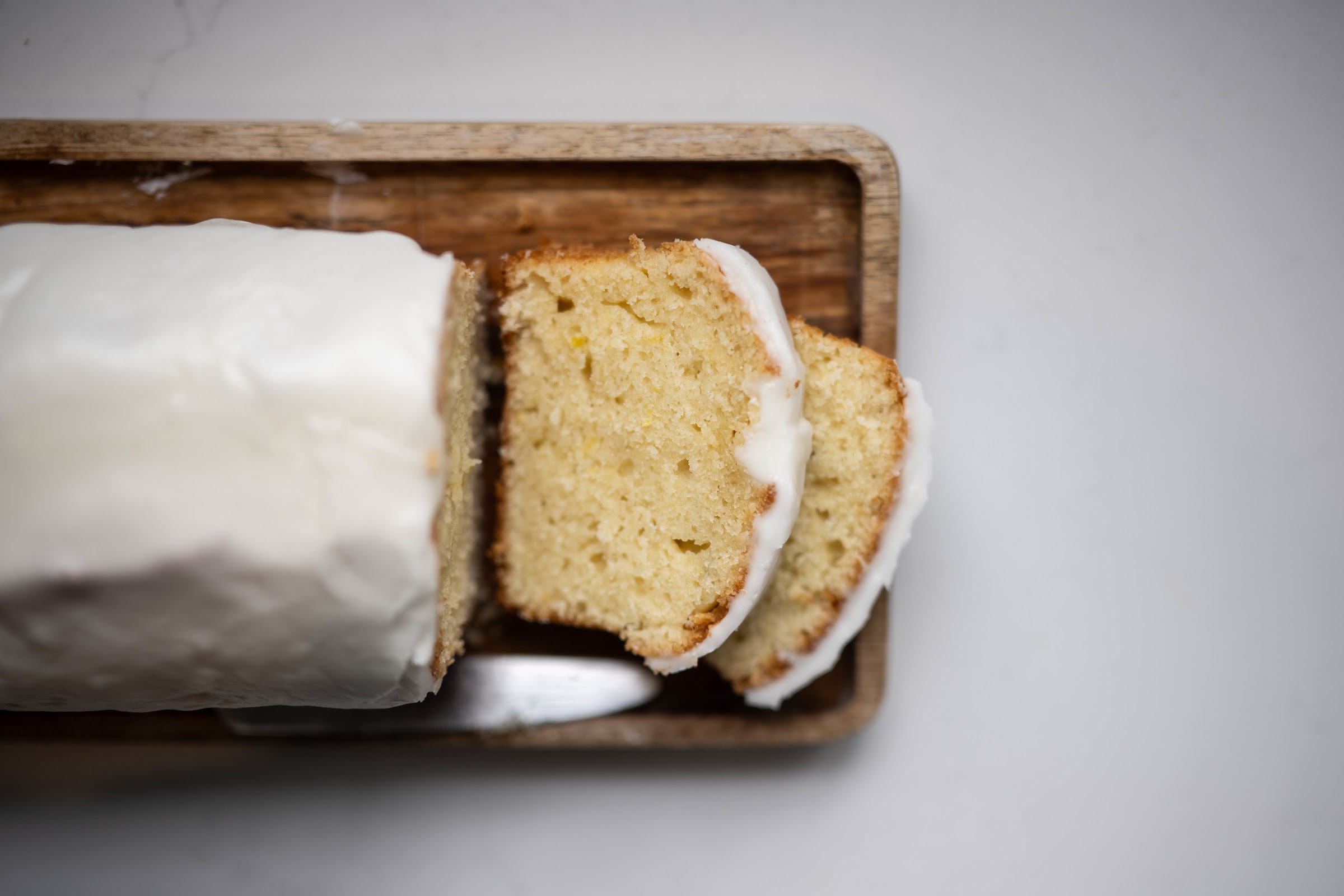
And if all else fails, I offer you my two most comforting recipes, both to make and eat, Hungarian Goulash and Lemon Cake.